
How to Win More Insurance Approvals Without Fighting the Adjuster
A documentation-first claims workflow gets your scope approved faster and cuts the back-and-forth that stalls cash flow.
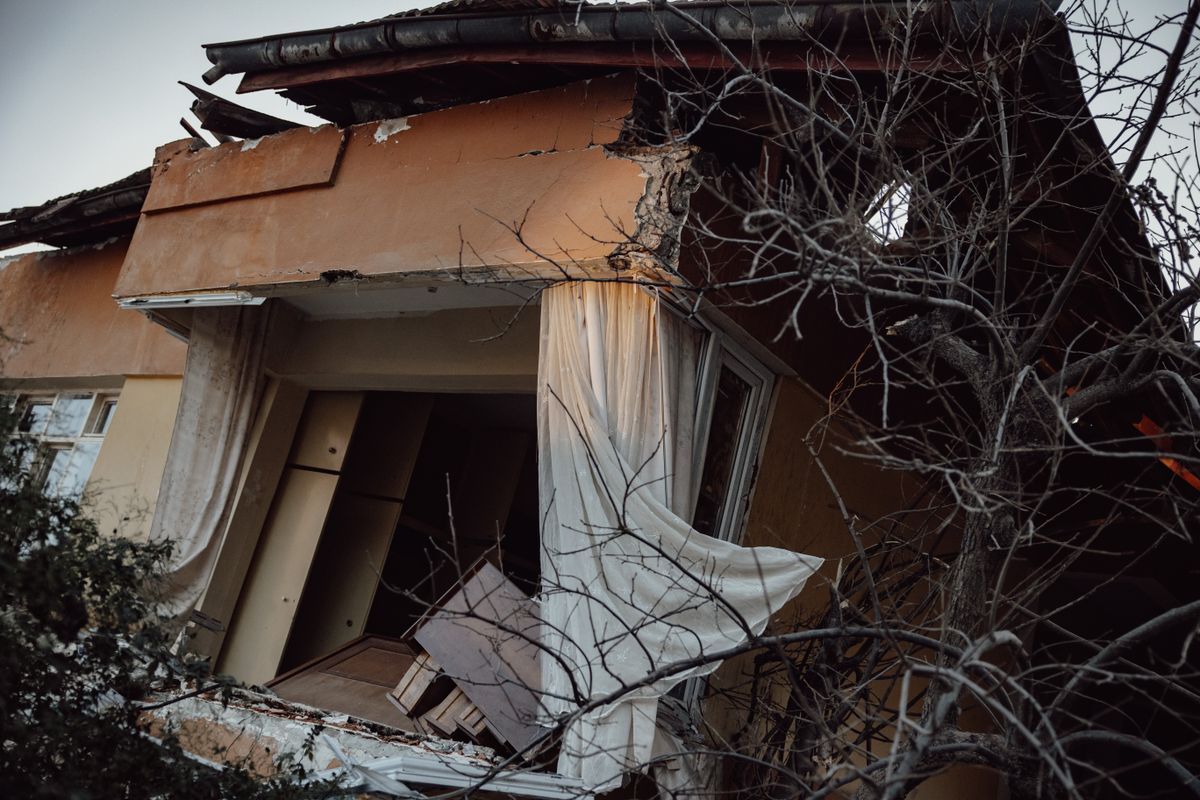
The Real Problem Isn't the Adjuster
Most restoration owners describe claims friction as an adversarial relationship: the adjuster is trying to cut the scope, and the contractor is trying to protect it. In practice, most denials and reductions come down to one thing: the file didn't prove what happened. Adjusters aren't paid to argue with you. They're paid to approve what's documented and question what isn't. If your job file reads like a story with gaps, you'll get gaps in your check.
The fix is treating documentation as a production process, not paperwork that happens after the real work is done.
Roughly how many inbound calls do you take in a week?
Tap to start. 5 quick questions, then see your monthly number.
A Five-Step Documentation Framework
1. Establish Pre-Loss Condition Before You Touch Anything
Before demo, before extraction, before equipment goes down: wide shots of every affected room, close-ups of existing damage unrelated to the loss (old stains, prior repairs), and a walk-through video narrated in plain language. This single step prevents the most common dispute: "was that damage from this loss or already there."
2. Build a Moisture Map, Not Just a Moisture Reading
A single moisture reading is an opinion. A moisture map, readings taken at consistent grid points, logged against unaffected reference material in the same structure, and repeated daily until readings return to dry standard, is evidence. Follow IICRC S500 psychrometric logging as your baseline and never eyeball "looks dry." Adjusters who see three days of declining, gridded readings rarely question the drying scope. Adjusters who see one reading and a verbal "it's handled" almost always do.
3. Set a Photo and Video Standard for Every Tech
Write it down as a checklist so it doesn't depend on who's on the truck: - Wide shot of each room, all four walls - Close-up of every moisture reading with the meter display visible in frame - Equipment placement photos, dated and timestamped - Daily progress photos in the same fixed positions (mark the spot with tape if needed) - Final "dry standard achieved" documentation before equipment pulls
A tech who skips this on a Saturday night emergency call is the reason a claim gets reduced six weeks later. Build the checklist into your dispatch app or paper form so it's not optional.
4. Write the Scope Narrative to the Readings, Not Around Them
The biggest gap between contractors and adjusters is the scope narrative. Don't write "replaced flooring." Write "flooring removed due to sustained moisture reading of X over Y hours exceeding dry standard for [material], consistent with category [1/2/3] water intrusion." Tie every line item back to a specific piece of evidence in the file. This is what separates a scope that gets approved on first submission from one that goes back and forth for weeks.
5. Document Every Change Order Before You Start the Work
Hidden damage found during demo (mold behind a wall, subfloor rot) is normal. What kills approval speed is finding it, fixing it, and explaining it after the fact. Photograph the hidden condition the moment it's exposed, before remediation, and get a same-day supplement submitted with photos attached. Same-day supplements get approved in days. Retroactive ones get approved in months, if at all.
A Pre-Submission Checklist
Before any file goes to the carrier, confirm it has: - [ ] Pre-loss photos and video - [ ] Full moisture map with dates and reference readings - [ ] Daily photo log at consistent positions - [ ] Scope narrative that cites specific readings - [ ] Any change orders with before-photos attached - [ ] Final dry-standard confirmation
Communication Cadence Matters as Much as Content
Even a perfect file stalls if the adjuster doesn't know it exists. Set a standing cadence: confirmation call within the first few hours of mitigation starting, a mid-job update once drying readings stabilize, and a closeout call the day equipment comes down. Adjusters manage dozens of open files at once. The contractor who proactively updates them, with evidence attached, moves to the top of the pile. The one who goes silent for two weeks and then submits a wall of paperwork gets queued behind everyone else.
The Payoff
None of this is about being more aggressive with carriers. It's the opposite: a file that removes ambiguity removes the adjuster's reason to push back. Shops that standardize this workflow across every tech, not just their best one, consistently report faster first-pass approvals and fewer supplements getting kicked back for "insufficient documentation." That's not a negotiating tactic. It's just proof, organized well.
Most shops lose more booked work at the phone than they realize. See your monthly number.
See my number →